

silver mirror sheet
Understanding Standard Plug Gauges An Essential Tool in Precision Engineering In the world of manufacturing and engineering, precision is of utmost importance. Whether it’s in automotive production, aerospace engineering, or any form of mechanical assembly, ensuring that components fit together perfectly is vital for the safety, functionality, and quality of the final product. One of the key tools used to achieve this level of precision is the standard plug gauge. What is a Standard Plug Gauge? A standard plug gauge is a cylindrical tool used to measure the diameter of holes or the internal dimensions of parts. It serves two primary purposes to check whether a hole is within a specified size tolerance (go) or if it is out of specification (no-go). The gauge typically features two ends—one marked “go” and the other marked “no-go.” When the “go” end of the plug gauge fits snugly into the hole, it indicates that the dimension is acceptable. If the “no-go” end does not fit into the hole, it further confirms that the dimension is within the specified tolerance limits. This simplicity and effectiveness make standard plug gauges indispensable in quality control processes. Construction and Materials Standard plug gauges are usually constructed from high-quality steel, which offers durability and resistance to wear. They are often heat-treated to enhance their hardness, ensuring that they retain their shape and accuracy even after repeated use. The finishing process typically involves grinding and polishing to achieve precise dimensions and a smooth surface, which is important for reliable measurement. In some specialized applications, plug gauges may be made from different materials such as carbide or even ceramic, especially when extreme durability or heat resistance is required. These materials allow for greater longevity and maintain accuracy over a longer period, which is a critical factor in industries that demand high precision. standard plug gauge Applications of Standard Plug Gauges Standard plug gauges are widely utilized across various industries. In the automotive sector, they are used to ensure that engine components fit together correctly, which is essential for optimal performance and safety. Similarly, in the aerospace industry, plug gauges help maintain stringent tolerances required for aircraft parts, where even minute discrepancies can lead to catastrophic failures. Moreover, plug gauges are used in assembly lines to streamline the production process. By incorporating these gauges into the quality assurance phase, companies can detect defects early, reducing waste and rework costs. Additionally, plug gauges are invaluable in tool and die making, where precision is critical for the creation of molds and parts. Calibration and Standards The accuracy of standard plug gauges is paramount to their effectiveness. Regular calibration is essential to ensure that they maintain their specified dimensions and tolerances. Calibrating plug gauges typically involves comparing them against a master gauge with known dimensions. This process helps identify any discrepancies that need adjustment. Moreover, standard plug gauges must adhere to internationally recognized standards, such as those set forth by the American National Standards Institute (ANSI) and the International Organization for Standardization (ISO). Compliance with these standards not only ensures consistency in measurement but also fosters trust among manufacturers and customers alike. Conclusion In conclusion, standard plug gauges play a crucial role in precision engineering and quality control across various industries. Their simple design, combined with their effectiveness in measuring internal dimensions, makes them an invaluable tool for ensuring that components meet rigorous specifications. As technology continues to advance, the importance of precise measurements will only increase, solidifying the position of standard plug gauges as essential instruments in the manufacturing world. Ensuring their proper use and maintenance is vital for any enterprise aiming for excellence in production and assembly processes.
about
silver mirror sheet
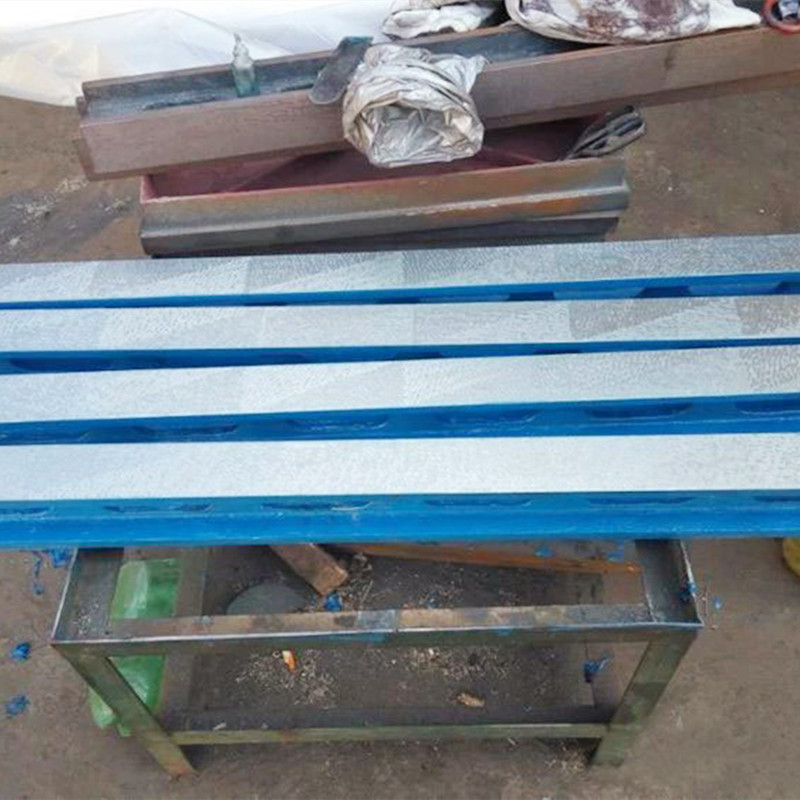
Table de soudure un élément essentiel pour tout atelier La table de soudure, souvent négligée dans la discussion sur l'équipement d'un atelier, constitue en réalité un élément crucial pour tout soudeur. Que vous soyez un professionnel chevronné ou un amateur passionné, une bonne table de soudure peut transformer votre expérience de travail, améliorant à la fois l'efficacité et la sécurité. Les caractéristiques d'une bonne table de soudure Tout d'abord, il est essentiel que la table de soudure soit conçue à partir de matériaux robustes. L'acier est le choix le plus courant, en raison de sa résistance à la chaleur et à l'usure. Une surface de travail épaisse et solide est indispensable pour supporter le poids des pièces à souder, tout en résistant aux éclaboussures de soudure et à la chaleur intense générée par les processus de soudage. En outre, une table bien conçue doit offrir une bonne hauteur de travail. Vous devez pouvoir travailler confortablement sans avoir à vous pencher ou à vous fatiguer. Une hauteur allant de 90 à 100 cm est souvent idéale pour la majorité des utilisateurs. Certaines tables de soudure sont même réglables en hauteur, ce qui permet de s'adapter aux différentes tailles d'utilisateur et aux différentes tâches. Ergonomie et organisation de l'espace welding table workbench Une autre caractéristique importante d'une table de soudure est l'ergonomie. La disposition de la table doit permettre un accès facile aux outils et aux matériaux. Des supports pour les outils, des tiroirs pour le rangement et des zones désignées pour les matériaux peuvent aider à maintenir l'espace de travail organisé. Cela réduit non seulement le temps perdu à chercher des outils, mais assure également un environnement de travail plus sûr. Des accessoires peuvent également être ajoutés, comme des étau, des plaques magnétiques et des dispositifs de support pour maintenir les pièces en place pendant le soudage. Ces éléments améliorent la précision des opérations et font gagner du temps. Sécurité un aspect primordial La sécurité est primordial lorsqu'il s'agit de soudage. Une table de soudure adéquate doit être équipée de dispositifs de sécurité, comme desparois de protection ou des écrans anti-éclats pour protéger l'utilisateur des projections de métal fondu. Il est également judicieux d'avoir des extincteurs à proximité et des équipements de protection individuelle (EPI) tels que des gants, des lunettes de protection et des vêtements ignifuges. Conclusion En résumé, choisir la bonne table de soudure est un investissement essentiel pour quiconque travaille avec des métaux. Elle contribue non seulement à la qualité du soudage, mais également à la sécurité de l'utilisateur. En prenant en compte les critères de solidité, d'ergonomie et de sécurité, vous pouvez vous assurer que votre expérience de soudage est productive et agréable. Que vous travailliez dans un atelier professionnel ou à domicile, une bonne table de soudure est le fondement sur lequel repose un travail de qualité.
-

High quality industrial productsagement

High quality industrial products
View Details -

Meet the diverse needs of customers

Meet the diverse needs of customers
View Details -

Strict quality control

Strict quality control
View Details -

Top raw materials

Top raw materials
View Details -

Trusted supplier

Trusted supplier
View Details
Our application


news and information
use of thread gauge
The Use of Thread Gauges Ensuring Precision in Manufacturing In the world of manufacturing and engin
valve factory
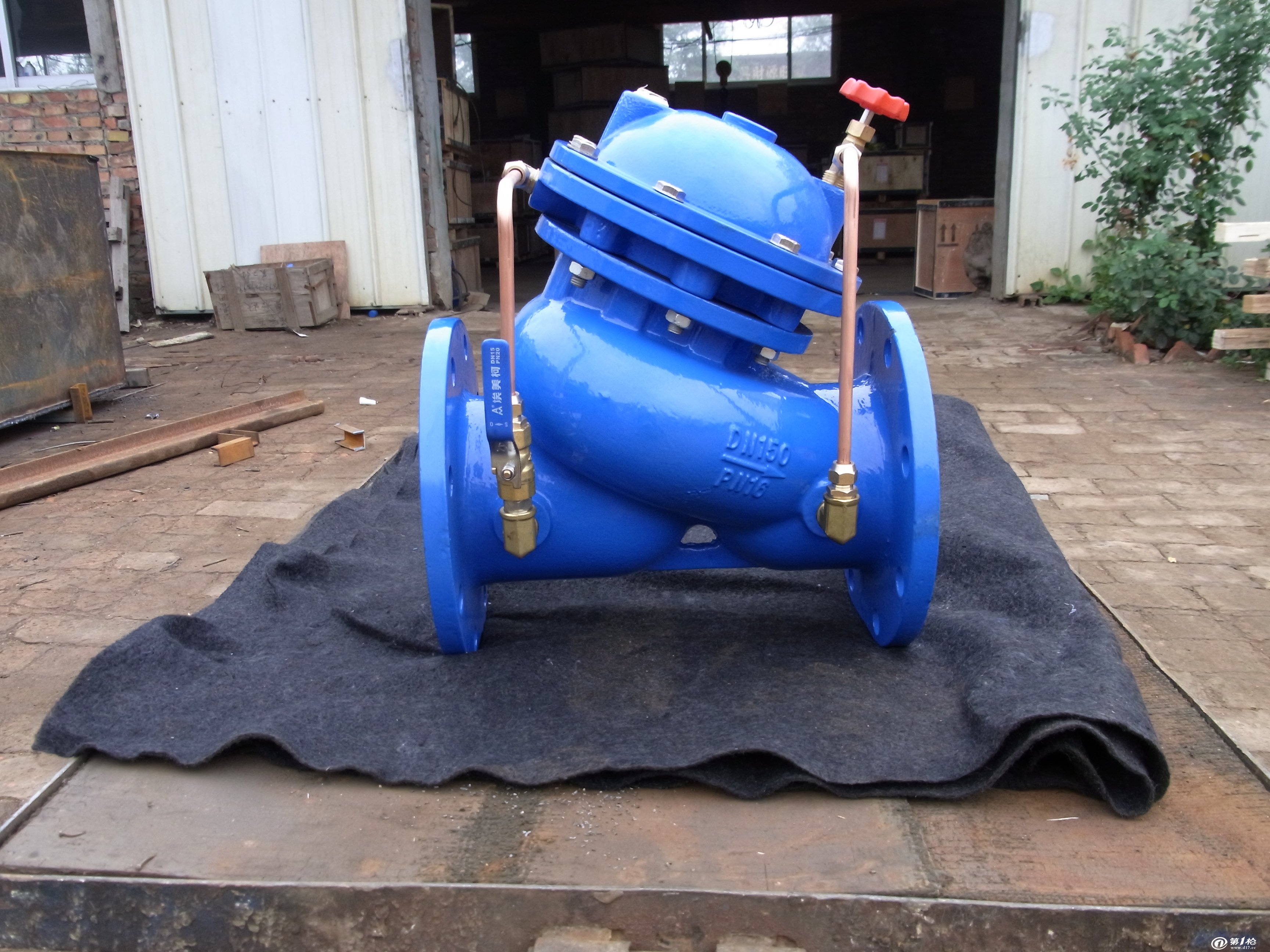
Located at the very heart of industrial innovation, valve factories have become pivotal in shaping t

valve china
Valve Corporation, a name synonymous with gaming excellence and innovation, has strategically establ
 English